US citizen

Do U.S. Citizens Need ETIAS for Italy in 2025? What to Know

Do U.S. Citizens Need ETIAS for Italy in 2025? The Truth About Italy Travel Requirements for Americans (2025) If you are a U.S. citizen dreaming of Italian piazzas bathed in golden light, the rolling vineyards of Tuscany, or the refined buzz of Rome’s museums and cafés, you are certainly not alone. Each year, over 5 million American travelers immerse themselves in Italy’s rich culture and timeless beauty. But before booking that tailor-made Italian escape, it is essential to understand the current entry regulations for Americans. Short answer: As of 2025, U.S. citizens do not need ETIAS authorization to visit Italy or any other Schengen country for stays shorter than 90 days. According to the official portal travel-europe.europa.eu, ETIAS is not operational until at least late 2026, despite what some unofficial sites claim. Below, we clarify all you need to know — with refined clarity — about Italy’s visa and entry policies for American guests, so you can focus on planning your unique Italian journey, free from worry or confusion. Visa-Free Travel: Italy Entry Rules for U.S. Citizens in 2025 Stays Under 90 Days: What Applies to Americans For trips of up to 90 days in any 180-day period, U.S. tourists enter Italy visa-free, thanks to the Schengen agreement. No pre-arrival visa is required for tourism, business, or family visits. Stays longer than 90 days do require a national visa (Type D). You may visit other Schengen countries in the same trip, within the 90-days-in-180 rule. Entry Essentials: What You Must Have at the Border Valid U.S. passport (must be valid for at least 3 months beyond planned departure; recommended 6 months). Proof of onward or return travel (airline ticket, etc.). Evidence of lodging (hotel, villa booking, etc.). Sufficient financial means for your stay (typically €50-70 per day, per the Italian Ministry of Foreign Affairs). According to the European Commission, border agents have full discretion. Always travel with supporting documents for peace of mind. Ask us to check your entry checklist and tailor your Italian experience. What is ETIAS? Clarifying the 2025 Timeline & Common Myths ETIAS Explained: The New European Travel Authorization ETIAS stands for “European Travel Information and Authorization System” — a pre-travel screening for non-EU nationals exempt from Schengen visas (including Americans). Cost: €7 (subject to confirmation on launch; free for under 18 and 70+). Simple online application (approx. 10 minutes). Linked electronically to your passport. Current Status of ETIAS (2025): La risposta è: ETIAS is not yet operational. Per the official EU portal and the latest update (June 2024): ETIAS is expected to start in late 2026, not in 2025. No official application process exists yet. Beware of scams claiming early ETIAS registration! Do not trust unofficial sites requiring payments — always consult the EU’s official communication. Table: Key Dates and Facts about ETIAS for U.S. Citizens Year ETIAS Status U.S. Visa-free Entry? Registration Required? 2025 Not active Yes No 2026 Official launch (planned Q4) Yes From launch date 2027+ Active Yes Yes (for short stays) According to our experience, travelers have been misled by fake sites and misinformation—rely only on government sources. Recognizing Scam Sites: Red Flags & Best Practices Only use travel-europe.europa.eu/etias_en Never pay for “early ETIAS” or expedited processing before official notice. The only accepted fee will be announced via EU channels. Further Reading Schengen Visa Info U.S. Embassy in Italy – Visiting Italy Beyond ETIAS: Passport, EES, and Insurance — What You Really Need Passport Validity Requirements Your U.S. passport should: Be valid at least 3 months past your planned return Be issued within the last 10 years Have at least 2 blank pages Tip: Renew early if your passport is nearing expiry; Italian authorities are strict. Travel Insurance: Advisable for All American Travelers While travel health insurance is not mandatory for short stays, the U.S. Department of State and Italy’s Ministry of Foreign Affairs recommend coverage for medical emergencies and trip cancellations. Typical Italian private medical care costs €60-100 per visit, and emergency hospitalization can exceed €1,000 per day. Types of Insurance Emergency medical & hospital Evacuation & repatriation Cancellation/interruption Personal liability EES (Entry/Exit System): What is It and Is It Connected to ETIAS? EES and ETIAS are separate systems. EES: Automated EU border registration system (planned launch 2025). Collects fingerprints & facial recognition for third-country nationals. You do not need to register before travel. For an in-depth look, see European Commission: Smart Borders. Comparing Travel Requirements (2025): U.S., Canada, Australia Country Visa Required for Italy (<90 Days)? ETIAS Needed (Now) Passport Validity Req. Insurance Advised? U.S. No No 3+ months Yes Canada No No 3+ months Yes Australia No No 3+ months Yes Detailed Process: Entry for American Travelers in 5 Steps Check that your U.S. passport is valid for 6+ months Plan your itinerary for less than 90 days in any 180-day period Book return flights & keep confirmation documents Arrange sufficient funds and hotel/ villa stays (From late 2026), apply for ETIAS through the official EU portal Ask us to check your entry checklist FAQ: Italy Visa, Passport and Insurance for U.S. Citizens (2025) Do Americans need a visa to visit Italy in 2025? No. Americans can visit Italy visa-free for up to 90 days for tourism, business or family reasons. Is ETIAS required for U.S. travelers to Italy in 2025? No, ETIAS authorization will not be required for Americans until at least late 2026. What documents do I need to enter Italy? You need a U.S. passport valid for at least 3 months past your intended departure, proof of onward travel, and evidence of accommodation. Is travel health insurance mandatory for Italy? No, insurance is not mandatory for short stays, but it is strongly recommended to cover medical care and emergencies. Will I need to provide fingerprints or biometrics at the Italian border? From 2025, the EU’s Entry/Exit System (EES) may require biometric registration (fingerprints and facial scan) for non-EU nationals. Plan Your Italian Dream — With Confidence Traveling to Italy as an American in 2025 is

Sicily

Sicily 12 Day Itinerary: Culture, Food & Luxury Adventure

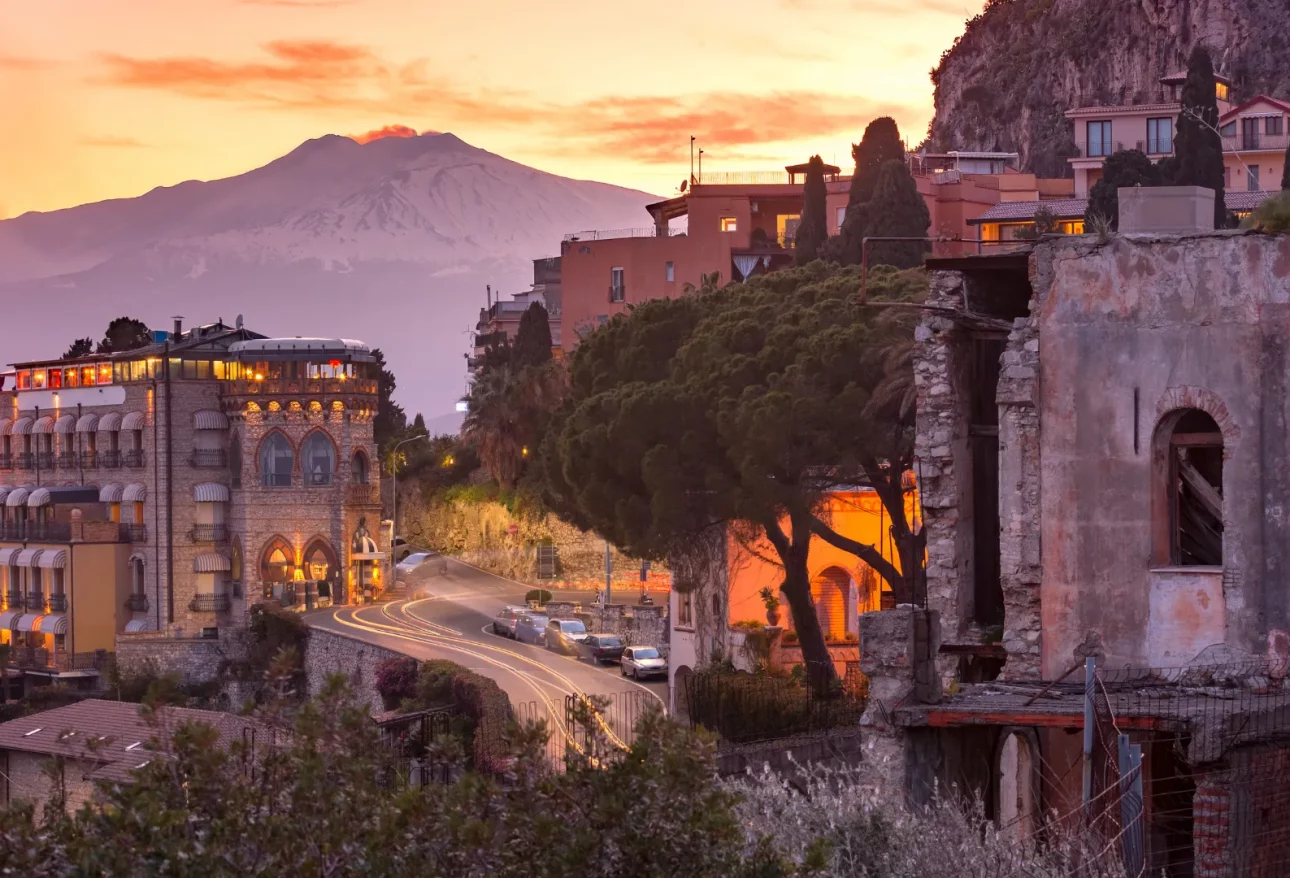
Sicily is a magical land where ancient history, stunning nature, and gastronomic excellence converge. If you’re dreaming of a long, immersive journey, our Sicily 12 day itinerary is designed for travelers seeking culture, cuisine, and a dash of luxury. During these two weeks you’ll explore three iconic macro-areas—Palermo and the West, Mount Etna and the North-East, and UNESCO-listed Val di Noto. The itinerary includes real driving times, day trips by boat to the Aeolian Islands, and exclusive upgrades such as private wine tastings and a thrilling 4×4 summit crater excursion. According to the Ente Turismo Sicilia, 2025 is set to welcome over 5 million international visitors, confirming Sicily as the #1 Italian destination for foodies and heritage lovers. Palermo & Western Sicily: The Gateway to Heritage Day 1-3: Palermo Culture and Street Food Palermo is a vibrant city—a crossroads of civilizations. Begin your Sicily 12 day itinerary exploring the world-renowned Palatine Chapel, the historic Quattro Canti, and the bustling Ballarò market. Must-try food: arancini, panelle, cannoli. Driving tip: Airport to city center: 40min Accommodation: Boutique hotels from €110/night Day 4: Monreale, Cefalù & Coastal Gems A guided day trip brings you to Monreale Cathedral’s golden mosaics and Cefalù’s seaside charm. For luxury, book a driver (approx. €250/day). Day 5: Marsala & Salt Pans Experience Head west to Marsala for a morning tour of the salt pans and a private cellar tasting (luxury upgrade: €120 per person). Evening return to Palermo or overnight in Marsala. Mount Etna & Aeolian Adventure: Volcanoes, Wine & Sea Day 6: Road Trip to Mount Etna Transfer (3h 15min) from Palermo to the northern Etna area. Settle into a wine resort with Etna views. Day 7: Etna Summit Crater 4×4 Experience Ascend the iconic Mount Etna by 4×4 with a private guide (upgrade: €220 pp, 4hrs). According to the Osservatorio Etneo, the summit craters are among Europe’s foremost volcanic sites. Day 8: Etna Wine Tasting Journey Explore the Etna Wine Route. Sample local DOC wines with a sunrise or sunset tasting in historic cellars. Prices from €80 pp. Day 9: Taormina & Isola Bella Highlights Visit Taormina’s Greek Theatre and stroll the Corso Umberto. Take a dip at Isola Bella (National Geographic ranks it among the Mediterranean’s top 10 beaches). Day 10: Aeolian Day Cruise (Lipari & Vulcano) Enjoy a full-day private boat tour to Lipari & Vulcano from Milazzo. Cost: from €350/day. Local regulations (Regione Sicilia, 2025) require advance booking for marine shuttles. Val di Noto & Baroque Sicily: UNESCO Wonders & Food Culture Day 11: Noto, Modica & Ragusa Discover the Val di Noto’s Baroque hearts—Noto, Modica & Ragusa—UNESCO heritage jewels. Taste Modica’s famed chocolate (IGP certified, from €3/bar). Day 12: Syracuse & Ortigia Island Farewell Conclude in Syracuse, exploring Ortigia’s Duomo, ancient ruins, and sea-view trattorias. Stay in a luxury boutique with private rooftop aperitivo (avg. €180/night). According to UNESCO, Val di Noto welcomes 700,000+ visitors yearly. Comparison Table: Standard vs. Luxury Sicily Grand Tour Feature Standard Tour Luxury Upgrade Accommodation 4* hotels/B&B Boutique/luxury Etna Excursion Group trekking 4×4 private summit Wine Tastings Classic group Private, cellar visit Aeolian Tour Shared day cruise Private yacht Guide Local shared Private guide Practical Tips: How to Get Around Rent a car for flexibility (Avg. €40/day). Palermo–Catania trains: 3h, €28 (Trenitalia, 2025) Book advance tickets for sites & day tours (min. 30 days) FAQ What is the best time for a Sicily 12 day itinerary? April–June and September–October for mild weather and fewer crowds (Ente Turismo Sicilia). How much does a luxury Sicily Grand Tour cost? Expect €4200–€5500 per person, incl. luxury hotels, private tours, and tastings (2025 estimate). Are day tours to the Aeolian Islands available year-round? No, most operate from April to October due to sea conditions (Regione Sicilia Maritime). Do I need a car for this itinerary? Yes, especially for Val di Noto and Etna; public transport is limited outside cities. Are guides available in English for all experiences? Yes, but book at least 1 month in advance for top English-speaking guides. Plan Your Ultimate Sicily Experience Ready to discover Sicily’s soul from coast to volcano to baroque city? With this comprehensive 12 day itinerary, you’ll unlock Italy’s most captivating island like never before. Contact us now to customize your Grand Tour, including private tastings and exclusive upgrades. Contact us for your tailored adventure

Puglia Road Trip: Ultimate Itinerary for Trulli, Masserie & Beaches

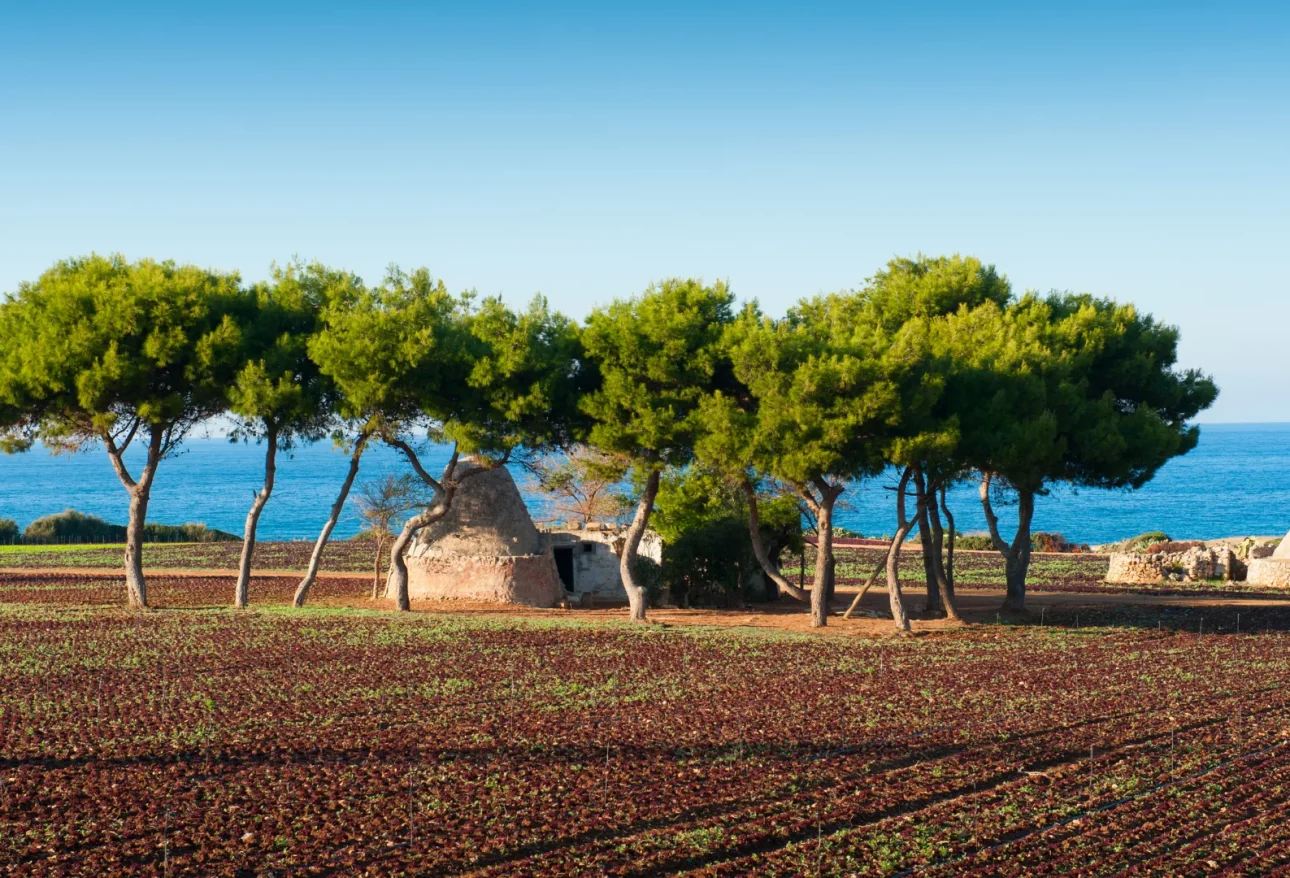
Discover the Magic of Puglia’s Trulli and Masserie Imagine sun-kissed olive groves, dazzling white trulli houses, and crystal-clear beaches: welcome to Puglia, Italy’s southern gem. This curated Puglia itinerary combines the region’s iconic trulli, luxury masserie (farm estates), and pristine beaches, with a focus on a 7–10 day slow luxury experience. Whether you’re a culture lover, foodie, or beach enthusiast, our roadmap balances discovery and relaxation. According to the Ente Turismo Puglia (2025), travelers increasingly seek authentic stays in masserie and photogenic trulli, making this itinerary perfect for Instagram moments and genuine Italian hospitality. Valle d’Itria: The Heart of Trulli & Olive Groves Alberobello and Locorotondo: The Trulli Capitals Discover the UNESCO-listed trulli of Alberobello and the whitewashed charm of Locorotondo. Spend at least one night in an authentic trullo . Must-Do: Walking tour in Alberobello’s Rione Monti Taste: Local primitivo wine and capocollo Masserie Experiences: Farm-to-Table Luxury Stay in a restored masseria to enjoy traditional Apulian cuisine, olive oil tastings, and spa experiences. In 2025, over 60% of travelers to Puglia book masserie for at least 2 nights (Ente Turismo Puglia). Our tip: Try a sunset dinner in Masseria Cervarolo or Masseria Montenapoleone Typical cost: €250–€400/night (farm-to-table included) Salento: Beaches, Baroque, and Culinary Surprises Lecce and Otranto: History & Architecture Lecce is famed for its exuberant Baroque architecture, while Otranto captivates with seaside vistas. Both offer a mix of historic charm and sophisticated dining. Don’t miss: Basilica di Santa Croce in Lecce, Otranto’s Aragonese Castle Recommended stay: 3 nights The Best Beaches in Salento Puglia’s southern coast boasts famed beaches like Torre dell’Orso, Punta Prosciutto, and Pescoluse (the “Maldives of Salento”). As of 2025, beach lido entry averages €25/day. Suggested day-trip route: Torre Lapillo Punta Prosciutto Pescoluse (Maldives of Salento) Culinary Delights: Farm-to-Table Dining Thanks to Puglia’s rich agriculture, enjoy hyper-local cuisine in both masserie and ristoranti. Restaurant Location Specialty Bros’ Lecce Innovative Apulian tasting Il Principe Otranto Fresh seafood Masseria Salamina Fasano Olive oil & farm-to-table The Perfect 7–10 Day Puglia Itinerary: Day-by-Day Guide Day 1-2: Arrival in Bari or Brindisi, transfer to Valle d’Itria Day 3-5: Explore Alberobello, Locorotondo, Martina Franca (trulli overnight) Day 6-7: Relax in a luxury masseria, enjoy cooking class & spa Day 8-10: Head south to Lecce/Otranto, with day trips to beaches Must-See Highlights (2025 Edition) Trulli of Alberobello (UNESCO Heritage) Ostuni’s White City Salento’s beaches: Pescoluse, Porto Cesareo Lecce Baroque tour According to our experience, pacing your trip with 3-night bases allows for deep cultural immersion without the rush. Consider renting a car for total freedom. [Scopri il tuo viaggio personalizzato](https://www.italygatedmc.com/contact): Richiedila ora. Masserie, Trulli & Slow Luxury: Insider’s Guide What Makes a Masseria Special? Masserie are fortified farm estates turned boutique stays. Many offer: Cooking classes (average €75/class, 2025) Oil and wine tastings Infinity pools, spas Organic gardens How to Book a Trullo Stay The biggest variety of trulli accommodation is in the Valle d’Itria. Use platforms like Airbnb or local consortia (visit Pugliapromozione’s website). Sustainable & Authentic Travel Puglia is a pioneer in slow tourism: regulations encourage eco-friendly structures and farm-to-table gastronomy (see L.R. 42/2017 Regione Puglia for details). Tip: Look for “CETS” certified masserie for sustainability FAQ: Everything You Need to Know About Your Puglia Road Trip What is the best time of year for a Puglia road trip? The best time is from May to September, with ideal weather and full services available. How much does it cost to stay in a masseria? On average €250–€400/night, with breakfast and dinner included at many properties. Where can I sleep in a real trullo? Mainly in the Itria Valley – Alberobello, Locorotondo, and Cisternino offer the most options. Is it necessary to rent a car in Puglia? Yes, to explore trulli, masserie, and beaches, a car is recommended. Can I visit both Valle d’Itria and Salento in one week? Yes, with a 7–10 day itinerary, you can experience both regions without rushing. Start Planning Your Exclusive Puglia Adventure This 7–10 day Puglia itinerary merges luxury, nature, and tradition—delivering unforgettable stays in trulli and masserie, and the best of Apulian beaches. Ready for your bespoke road trip? Contact us for your personalized itinerary.

Dolomites hiking

Dolomites Summer Itinerary: 7-Day Luxury Hiking & Scenic Rifugi

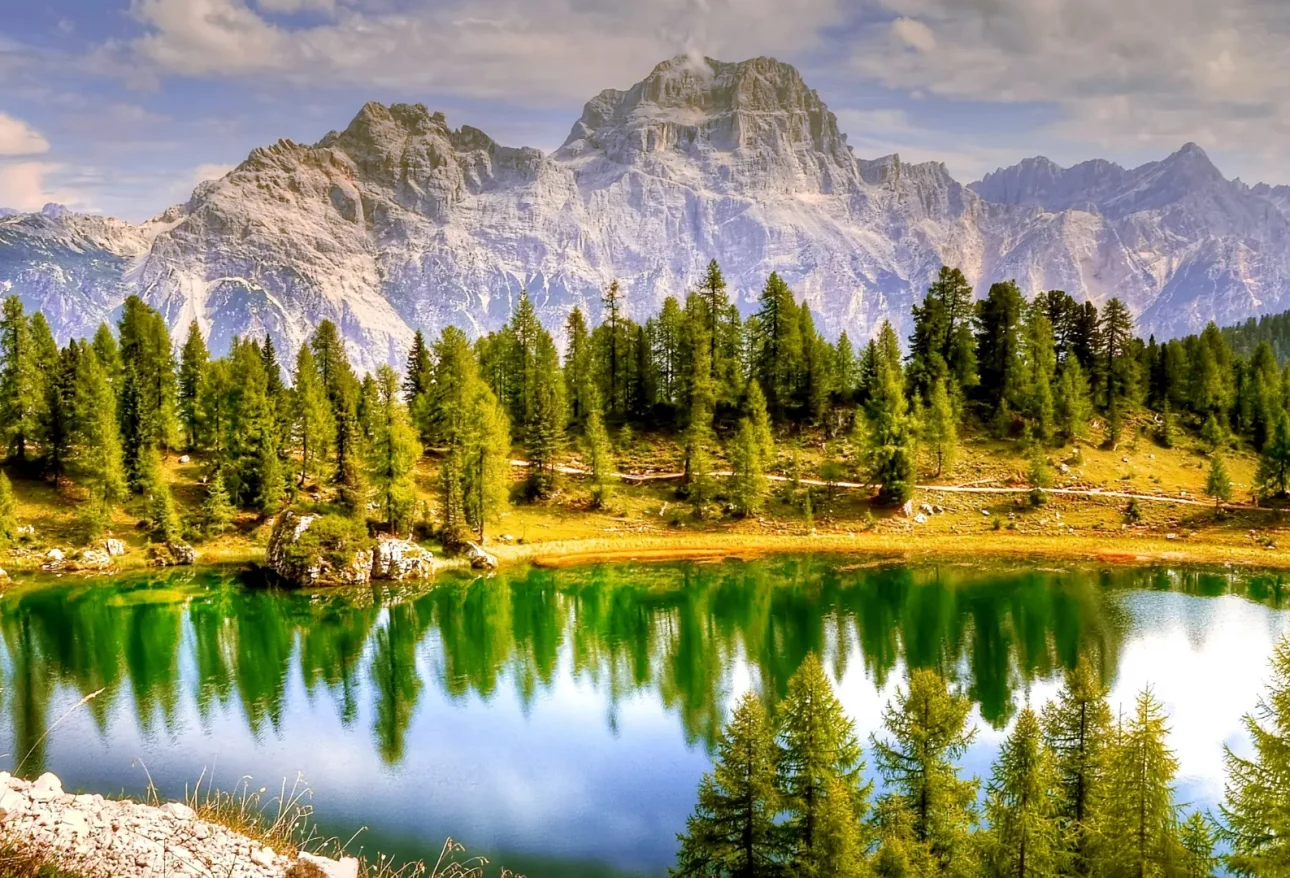
Dreaming of an unforgettable adventure in the Dolomites this summer? Whether it’s your first visit or you’re seeking a premium outdoor experience, this 7-day luxury hiking itinerary—focusing on the best of Alpe di Siusi, Cortina d’Ampezzo, and Alta Badia—blends breathtaking routes, sophisticated rifugi (mountain huts), and easy-to-moderate trails suitable for hikers who demand both comfort and spectacular views. According to the official Dolomiti Turismo, summer 2025 is seeing high demand for curated alpine experiences: planning ahead is essential for both accommodation and fine dining in the most sought-after mountain rifugi. Read on to discover expert tips, insider trails, and logistics you need to make this the ultimate Dolomites summer itinerary. Where to Base: The Three Premier Locations Alpe di Siusi: The Idyllic Starting Point Home to Europe’s largest alpine meadow Access to gentle trails with striking mountain backdrops Luxury stays: [Hotel ICARO], [Alpina Dolomites] Cortina d’Ampezzo: The Queen of the Dolomites Iconic UNESCO peaks nearby (Tofane, Cinque Torri, Cristallo) Upscale hotels and direct trail access Renowned for stylish après-hiking options Alta Badia: Gourmet Heart of the Mountains Renowned for Ladin culture & cuisine Direct links to Via Ferrata and gentle scenic paths Michelin-starred mountain huts: [Rifugio Ütia de Bioch], [Rifugio Col Alt] Accommodation & Logistics Table Base Luxury Hotels (from €/night)* Top Rifugi (Fine Dining) Alpe di Siusi €260+ ICARO, Gostner Schwaige Cortina €310+ Rifugio Scoiattoli, Averau Alta Badia €280+ Ütia de Bioch, Col Alt *Verify latest rates for 2025 7-Day Hiking Dolomites Summer Itinerary Day 1: Arrival & Acclimatization in Alpe di Siusi Settle into a luxury hotel; sunset stroll to Compatsch Dinner at ICARO: Sample South Tyrol classics (avg. €80 pp) Day 2: Alpe di Siusi Meadows Trail Family-friendly 12km loop—viewpoint at Saltria Elevation gain: 350m Lunch at Gostner Schwaige (try the hay soup) Day 3: Transfer to Cortina – Easy Hike in Cinque Torri Private transfer (2h, from €220) Iconic Cinque Torri loop (6km, 250m gain) Dinner at Rifugio Averau (fine dining menu €100+) Day 4: Lagazuoi & Scenic Rifugi Morning ride on Lagazuoi cable car (€23 RT) Panoramic Lagazuoi-Tunnel hike (moderate, 7km) Gourmet lunch at Rifugio Lagazuoi Day 5: Alta Badia’s Panorama Trail Transfer (1h30min, from €160) Explore the Armentara Meadows via the Panorama Trail (easy, 11km) Lunch at Ütia de Bioch (local Ladin dishes) Day 6: Gran Cir & Col Alt Excursion Col Alt chairlift ascent (€22 RT) Gran Cir excursion (optional via ferrata section) Aperitivo at Col Alt terrace Day 7: Leisure, Spa & Departure Morning spa at your hotel Last walk through Corvara or Ortisei’s village center Private transfer to Venice/Munich airport (from €280) 7-Day Quick Overview Table Day Base Trail/Experience Top Rifugio 1 Alpe di Siusi Sunset stroll ICARO 2 Alpe di Siusi Meadows Trail Gostner Schwaige 3 Cortina Cinque Torri Rifugio Averau 4 Cortina Lagazuoi & tunnels Rifugio Lagazuoi 5 Alta Badia Armentara/ Panorama Trail Ütia de Bioch 6 Alta Badia Gran Cir & Col Alt Excursion Rifugio Col Alt 7 Any Spa/ Village stroll & departure Your hotel Contact our luxury itinerary designers to tailor this trip to your needs! Fine Dining in the Rifugi: The Gourmet Mountain Experience What Makes a Rifugio “Fine Dining”? Menus designed by award-winning chefs (many with Michelin pedigree) Local South Tyrol and Ladin products, often organic Wine lists featuring Alto Adige’s best whites Average tasting menu price: €70–120 pp Reservation recommended at least 2 weeks in advance (especially July–August) Unmissable Rifugi for Food Lovers ICARO (Alpe di Siusi): Panoramic views & modern alpine cuisine Gostner Schwaige (Alpe di Siusi): Farm-style, renowned for hay milk specialties Rifugio Averau (Cortina): Signature gourmet dishes; book the Chef’s Table Rifugio Lagazuoi (Cortina): Highest terrace aperitivo in the Dolomites Ütia de Bioch (Alta Badia): Reinvented Ladin classics Rifugio Col Alt (Alta Badia): Known for wine cellar & truffle menus Average Prices and Booking Tips Main course €20–38 Full tasting menus €65–120 Wines by the glass from €6 Online booking recommended (websites open early March) Useful Links Dolomiti Turismo Official 2025 Alto Adige Official Tourism The Ultimate Packing List for a Luxury Dolomites Hike How to Pack for the Dolomites in July (Carry-On Only) Performance Layering: Lightweight merino t-shirts (x3), breathable hiking pants (x2), packable down jacket Footwear: Waterproof trail shoes + sandals Fine dining essentials: Smart-casual shirt/blouse, compact skirt/pants Accessories: Sunglasses, wide-brim hat, SPF 50, refillable water bottle Electronics: Phone, camera, compact powerbank, universal plug Wellness: Portable massage gun/roller—spa bookings recommended Documents: Mountain insurance, ID, itinerary printout Pro Insider Tip “According to our experience, most luxury hotels provide laundry turnaround in under 24 hours, making carry-on travel effortless, even for a weeklong stay.” Guided or Self-Guided? Regulations & Local Tips Regulations 2025: What to Know Many trails are free-access, but hiking guides or local permits are strongly advised for Via Ferrata routes In 2025, new access quotas on popular trails near Seceda and Tre Cime apply in peak weeks (source: Ente Parco Dolomiti) Fines up to €150 for off-trail or unmarked hiking Local Guides: When & Why To Book Licensed guides: €180–280 per day (group up to 8) Self-guided: Reserve GPS tracks and transfer in advance For custom experiences or family trips, tailor-made packages recommended Emergency Numbers Mountain Rescue: 112 Local Alpine Rescue: 118 FAQ: Dolomites Summer Itinerary & Hiking Q1: What is the best month for hiking in the Dolomites? The answer is: July and September offer ideal weather with fewer storms and moderate temperatures (12–24°C). Early July is less crowded than August. Q2: Are the trails suitable for beginners? The answer is: Yes, the routes suggested in this itinerary cover easy to moderate trails, suitable for hikers with basic fitness. Technical Via Ferrata sections are optional. Q3: How far in advance should I book rifugi and cable cars? The answer is: For luxury rifugi and popular cable cars (Lagazuoi, Col Alt), booking at least 2 months in advance is highly recommended in high season. Q4: Can I use public transport between the three bases? The answer is: Public buses connect most towns, but private transfers are

Lake Como

Lake Como vs Lake Garda: Which Italian Lake Should You Choose?

Are you torn between Lake Como and Lake Garda for your next Italian getaway? If so, you're not alone. Interest in Italian lakes is surging, especially in Lombardy, as travelers from across the world are seeking fresher climates, natural wonders, and outdoor experiences. But when it comes to Lake Como vs. Lake Garda, which is truly the best option for your holiday? This comprehensive guide compares the vibe, budget, family-friendliness, travel connections, and two must-try weekend itineraries – giving you everything you need to choose your perfect lakeside escape. Lake Como vs Lake Garda: The Vibe and Atmosphere The Charm of Lake Como Lake Como is famed for its dramatic alpine backdrop, elegant villas (like Villa del Balbianello and Villa Carlotta), chic lakeside towns (Bellagio, Varenna, Como), and a sophisticated, tranquil atmosphere. Here, you'll find luxury resorts, Michelin-star restaurants, and that exclusive "dolce vita" feel. According to the official Lake Como tourism board, 70% of travelers in 2024 cited "uniqueness and serenity" as the main draw. Best for: Romantic escapes, luxury seekers, celebrity-spotters. Don't miss: The grand villas, private boat tours, and the historic funicular to Brunate for epic views. The Energy of Lake Garda Lake Garda, Italy’s largest lake, boasts a more varied vibe – from the medieval charm of Sirmione to lively Desenzano and action-packed Riva del Garda. The north is famous for windsurfers and hikers, while the south is dotted with theme parks and spa towns. Best for: Adventure lovers, families, active travelers, and groups of friends. Don't miss: Water sports, bike trails, medieval castles, and vibrant lakeside nightlife. According to our experience: Como is more refined, ideal for couples, while Garda is more dynamic and suits groups or families. Design your lakeside escape Lake Como vs Lake Garda: Budget Comparison 2025 Feature Lake Como (EUR) Lake Garda (EUR) 4* Hotel/night 190-330 130-230 Aperitivo 10-16 7-12 Dinner (for 2) 60-120 45-90 Ferry ticket 6-15 4-10 Private Boat Tour 180-350/hour 80-210/hour Budget summary: Lake Como is generally the more exclusive (and pricier) option, while Lake Garda offers a broader range of accommodations and activities suitable for all budgets. Tip: Advance booking is crucial during peak summer weekends on both lakes. Family-Friendliness: Kids Activities & Facilities Lake Como with Kids Smaller, walkable towns (Bellagio, Menaggio) Lido di Bellagio (beach club with pools) Mini ferries and funicular rides Villa Carlotta’s gardens Lake Garda with Kids Gardaland and Caneva Aquapark (themed parks) Malcesine cable car (to Monte Baldo) Family-friendly beaches (Desenzano, Peschiera) Safari parks and playgrounds Lake Garda is generally considered more kids-friendly, especially with easy access to major theme parks and a variety of kid-oriented activities. Getting There: Transport Connections from Milan Lake Como Train: Milano Centrale to Como S. Giovanni: from 40 minutes, €5-8 By Car: About 1 hour (potential for traffic in peak seasons) By Bus: Flixbus tickets from €7 Tours: Organized day trips from major operators (Trenitalia 2025) Lake Garda Train: Milano Centrale to Desenzano del Garda: 52 min, from €9 By Car: 1h30min via A4, tolls around €10 Bus: Direct service less frequent, transfers required Table Summary: Route Duration (avg) Price (one way) Direct? Milan-Como (Train) 40-50 min €5-8 Yes Milan-Garda (Train) 50-70 min €9-15 Yes (Desenzano) Itinerary Ideas: Two Weekend Getaways Weekend on Lake Como: Classic Elegance Day 1: Arrive in Como by train (morning) Explore Como Cathedral and promenade Take funicular to Brunate for sunset Dinner at a lakeside trattoria Day 2: Ferry to Bellagio (9:00 AM) Stroll through Bellagio’s old town Visit Villa Melzi gardens (entry: €10) Return via Varenna, stop for gelato Weekend on Lake Garda: Adventure & Family Fun Day 1: Train to Desenzano (morning) Morning at Desenzano beach Afternoon in Sirmione: Scaligero Castle + Grotte di Catullo (entry: €8) Day 2: Head north to Malcesine Ride cable car to Monte Baldo (ticket: €25) Lakefront lunch Windsurfing or boat rental in Riva del Garda (from €60/hour) Lake Como vs Lake Garda FAQ 1. Which lake is easier to reach from Milan? Lake Como is faster (40 minutes by train), but Lake Garda also offers efficient direct rail to Desenzano (52 min). 2. Which is more affordable for a weekend stay? Lake Garda, with more budget options for accommodation and dining. 3. Which Italian lake is better for families and kids? Lake Garda, thanks to theme parks and family-friendly beaches. 4. Which has more luxury hotels and celebrity appeal? Lake Como, renowned for upscale villas and A-list visitors. 5. Can you swim in both Lake Como and Lake Garda? Both offer swimming beaches; Garda features more sandy options and wider beaches. How to Choose Your Perfect Italian Lake? Both Lake Como and Lake Garda deliver unforgettable experiences – the best choice depends on your travel style, budget, and expectations. If you crave elegance and cinematic views, Lake Como is for you. If you prefer adventure, fun, and family-friendly amenities, Lake Garda shines. Ready to find your perfect lakeside match? Fill out the form and design your lakeside escape with personalized tips from our local travel specialists!

Amalfi Coast

Amalfi Coast Itinerary 5 Days Without a Car: Ultimate Guide

Amalfi Coast Itinerary 5 Days Without a Car: Ultimate Guide Introduction Ready to explore the Amalfi Coast in 2025 without the stress of driving? Discover how to experience Positano, Amalfi, Ravello, and even Capri in 5 unforgettable days—using only ferries and SITA Sud buses. This car-free itinerary is tailored for independent travelers looking to avoid traffic, skip parking hassles, and limit crowds by smart scheduling. Campania is among the top Italian growth destinations for US travelers, making now the perfect time to plan your getaway. Leverage our firsthand local knowledge and current transit schedules for a smooth journey along Italy’s most iconic coastline. Day-by-Day Itinerary Overview Day 1: Arrival & Base Setup (Amalfi or Positano) Base yourself in Amalfi or Positano for maximum ferry and bus connections. From Naples, reach the coast by Circumvesuviana train + SITA bus or direct ferry (Naples–Sorrento–Positano/Amalfi). Average transfer cost (Naples-Amalfi): $20–$35 (May 2025, subject to schedule changes). Pro tip: Book accommodations near port or bus stop. Early check-in helps maximize your day. 2: Positano & Path of the Gods Early morning SITA bus (before 8:30AM) from Amalfi to Positano: avoid the peak tourist crush. Luggage deposit available at main bus stations ($5–$8/day). Optional: Start a section of the Sentiero degli Dei (Path of the Gods), then descend into Positano for seafood lunch with a view. Return: Afternoon SITA bus or ferry—last run around 7:30PM in season. Day 3: Capri by Ferry Early ferry to Capri (7:30–8:15AM, Amalfi or Positano) for dramatic coastline views. Journey: ~50 min. Roundtrip fare: $50–$78 (2025). Highlights: Blue Grotto (check sea conditions), Gardens of Augustus, Anacapri chairlift. Return late afternoon; unwind at your base. Luxury upgrade: Private 'gozzo' boat to Capri including swim stops, sea grottoes, lunch at a waterfront trattoria. Price: from $600 for 2 people, including skipper (verify with us). Day 4: Amalfi & Ravello Morning visit to Amalfi’s Duomo and Museo della Carta (Paper Museum). Take SITA bus up to Ravello (schedule: every 30 min, 25-min ride, $2.50 per journey). Key sites: Villa Rufolo, Villa Cimbrone, Ravello gardens. Return via SITA bus. Day 5: Hidden Gems or Departure Choose a quieter gem: Atrani’s medieval streets, Minori’s seaside walk, Maiori’s long beach. Final ferry or bus transfer to Salerno/Naples for onward travel. How to Move: Ferries and SITA Sud Buses Key Timetables and Ticketing Tips High season ferry schedule: runs every 30–60 min, Positano-Amalfi-Capri loop (April–October). SITA Sud buses: tickets sold at local shops/tabacchi; validate onboard. 1-way price: $2.50–$3.00 (2025). Ferries rarely fully booked, but buy tickets online during weekends/holidays. Peak crowd avoidance: travel 7–9AM and after 5PM. According to SITA Sud data (2025), 30% fewer riders use buses between 1PM–4PM; ideal for midday transfers. Ferry Line Comparison Table Line Adult Fare (2025) Frequency Route Travelmar $10–$18 Every 30–60 min Amalfi–Positano, etc. NLG/Alilauro Capri $25–$40 6–9 daily runs Amalfi/Positano–Capri SITA Sud Bus (land) $2.50–$3.00 Every 15–30 min Coastline villages Best Times to Visit, Weather & Crowd Management When to Go May–June or September: Pleasant weather (avg 22–27°C), lighter crowds. July–August: Peak season; book early ferries and buses. Use time slots before 9AM or after 5PM. Slot Planning Example Capri ferry: Departure before 8AM → return after 5PM Positano–Amalfi SITA bus: 7:15AM outbound, 4:30PM return Accommodation Tips & Areas Amalfi vs Positano: Where to Stay? Amalfi: Better for connecting to Ravello, ferries to Salerno. Positano: Stunning vertical views, easier for Path of the Gods. Pro tip: Book a hotel with luggage service—many local hotels offer porters for steps. Accommodation Comparison Table Town Avg Hotel Price/night (2025) Ferry/Bus Access Attractions Nearby Amalfi $200–$500 Excellent Duomo, Paper Museum Positano $250–$700 Excellent Path of the Gods, Beach Ravello $180–$450 Only by bus Gardens, Villas Optional Luxury: Private Gozzo Boat Tour Private boat tour can be arranged for day trips to Capri or hidden coves. Includes English-speaking skipper, swim stops, lunch reservation. Average price (2025): $600–$1,200/day for 2–6 guests. According to the Capri Boat Association (dati 2025), advance booking is recommended for June–September. Cost Overview for 5 Days (2025) Transport (bus/ferry): $120–$200 per person Accommodation (4-star hotel): $800–$2,800 (double room) Food (mid-range restaurant): $30–$60 per meal Attractions: $15–$40 (gardens, museums) Luxury upgrade: add $600–$1,200/day for private boat Frequently Asked Questions (FAQ) Q1: Can you do the Amalfi Coast without a car?The answer is: Yes, the Amalfi Coast is easily accessible by ferries and buses. Driving is discouraged due to parking difficulties and frequent traffic jams. Q2: What is the best base for exploring without a car?The answer is: Amalfi or Positano are the best bases, offering the most connections and easiest access to ferries and bus routes. Q3: How much does public transport cost along the Coast?The answer is: Expect to spend $2.50–$3.00 per bus ticket, $10–$18 for local ferries, and $50–$78 roundtrip for ferry to Capri (2025 rates). Q4: What’s the optimal order for sightseeing to avoid the crowds?The answer is: Begin your day before 8AM to enjoy popular spots with fewer visitors. Capri and Positano should be visited in the early morning or late afternoon. Q5: Are private boat excursions worthwhile?The answer is: Yes, especially for small groups. You can visit secluded spots, swim in coves, and lunch at exclusive seaside trattorias. Average price: $600-$1,200 per day (verify with operators). Ready for Your Amalfi Adventure? Experience the magic of the Amalfi Coast without ever needing to rent a car. Our team can design a personalized 5-day itinerary, book transportation, and provide local insights based on real-time 2025 schedules. ** Contact us today for your dream itinerary!** According to our experience, traveling without a car on the Amalfi Coast is safe, efficient, and far more rewarding.

Best area to stay in Rome

Best Area to Stay in Rome: A Complete Guide for Every Traveler

Find Your Perfect Rome Neighborhood Rome is a city of layers—ancient ruins, lively piazzas, romantic alleys, and vibrant local life. Choosing where to stay in Rome can truly define your experience: do you prefer vibrant nightlife, family-friendly comforts, or a foodie haven? In this guide, we help you find the best area to stay in Rome by comparing six of the top neighborhoods, each with their own unique vibe, distance from must-see attractions, and pros and cons. Whether you’re a first-time visitor or looking to upgrade to luxury amenities like a Colosseum after-hours tour, we’ve got you covered. 1. Trastevere: For Nightlife and Authentic Eats Why Choose Trastevere Trastevere is the beating heart of Rome after dark. With cobbled streets, buzzing trattorias and vibrant nightlife, it’s ideal for foodies and nightlife lovers. Distance to must-sees: Piazza Navona (18 min walk), Vatican City (25 min), Colosseum (30 min) Vibe: Bohemian, lively, local Pros Top-rated restaurants like Spirito di Vino True Roman atmosphere Great nightlife, bars, and live music Cons Can be noisy at night Limited luxury hotels Less accessible by metro Family or Luxury in Trastevere? While Trastevere is not Rome’s most family-friendly choice, select boutique hotels cater to couples and solo travelers seeking authenticity. For a luxury twist, consider a suite with a rooftop view and a private guide to the Vatican by night. 2. Monti: Rome’s Coolest Central District Why Choose Monti Chic and artsy, Monti is just steps from the Colosseum and Roman Forum, offering designer boutiques, hip cafes, and an artisan feel. Distance to must-sees: Colosseum (7 min walk), Forum (10 min), Trevi Fountain (18 min) Vibe: Trendy, creative, urban Pros Excellent connection by Metro B (Cavour) Walking distance to major sights Perfect for couples & solo travelers Cons Fewer large hotels Nightlife more subdued than Trastevere Insider Tip Monti is the home of the famous Mercato Monti and artisan gelaterias. For a luxury stay, book a penthouse suite and a guided after-hours Colosseum tour—starting from €180 per person (fonte: Coopculture, 2025 prices). 3. Centro Storico: Classic Rome, All Around You Why Choose Centro Storico Stay in the Centro Storico (Historic Center) to be surrounded by Rome’s most iconic sites: Pantheon, Piazza Navona, and the Spanish Steps. Distance to must-sees: Pantheon (2 min walk), Trevi Fountain (7 min), Spanish Steps (7 min) Vibe: Historic, elegant, busy Pros Step out into Rome’s postcard Abundance of hotels from budget to luxury Prime location for sightseeing Cons Tourist crowds Premium prices Limited nightlife Centro Storico for Families Several family-run guesthouses and apartments cater to groups. According to our experience, booking early is essential for high season (June–September). 4. Vatican/Prati: Museum Lovers & Sophisticated Shopping Why Choose Vatican/Prati Perfect for art-lovers and those seeking a quieter, more upmarket stay. Prati combines elegant residential streets with high-end boutiques. Distance to must-sees: Vatican Museums (6 min walk), St. Peter’s (12 min), Piazza del Popolo (18 min) Vibe: Elegant, quiet, upscale Pros Close to Vatican & museums Fantastic shopping on Via Cola di Rienzo Excellent Metro A links Cons Further from ancient Rome sights Restaurants close early Less vibrancy after dark Luxury Upgrade Experience a suite with dome views. Many hotels offer private guided access to the Vatican, starting from €250 per group (fonte: vatican.va/tickets 2025). 5. Testaccio: For Foodies & Authentic Vibes Why Choose Testaccio The historic home of Roman cuisine, Testaccio is beloved for its food market, lively trattorias, and youthful, local energy. Distance to must-sees: Pyramid of Cestius (7 min walk), Colosseum (25 min), Centro Storico (30 min) Vibe: Local, authentic, laid-back Pros The best food market in Rome (Mercato Testaccio) Genuine Roman character Lower prices, value stays Cons Longer walk/ride to main sites Few luxury hotels Testaccio: For Families and Couples Testaccio’s parks and spacious vacation rentals make it a solid option for families on a budget. 6. Villa Borghese/Parioli: Parks & Upscale Comfort Why Choose Villa Borghese & Parioli For elegance, green spaces, and quiet, the upmarket Parioli and the area around Villa Borghese park offer wide boulevards, top-rated hotels, and easy access to museums. Distance to must-sees: Galleria Borghese (5 min), Spanish Steps (20 min walk or direct bus) Vibe: Sophisticated, peaceful, green Pros Ideal for families: large parks, zoo 5-star family-friendly hotels Excellent for jogging/cycling Cons Further from historic sights (use taxi or bus) Few restaurants open at night Luxury Upgrade Upgrade to a presidential suite with views of Villa Borghese gardens—nightly rates from €440 (fonte: booking sites 2025)—plus private gallery tours. Neighborhood Comparison Table Neighborhood Closest Must-See Walk to Main Sights Nightlife Best For Avg Nightly Rate (2025) Trastevere Piazza Navona 15-30 min Lively Foodies, Nightlife €150–€330 Monti Colosseum 7–20 min Stylish Couples, Solo €130–€320 Centro Storico Pantheon 0–10 min Busy First-timers €180–€500 Vatican/Prati Vatican Museums 6–25 min Quiet Art Lovers, Shoppers €140–€410 Testaccio Pyramid 25–30 min Local Foodies, Families €100–€200 Parioli/Borghese Borghese Gallery 5–20 min Calm Families, Luxury €160–€450 Pick Your Vibe: Trastevere vs Monti Trastevere is perfect for those who want to socialise, stay up late, and indulge in real Roman food. Monti is your go-to for style, hidden gems, and walking to ancient sites. Follow us on Instagram for the full neighborhood vibes carousel! FAQ: Answers for Choosing Where to Stay in Rome Q1: What is the safest area to stay in Rome? Prati and Parioli are among Rome’s safest, with quiet streets and high-end hotels. Official crime rates are lowest in these districts (Comune di Roma, dati 2025). Q2: Where should a first-timer stay in Rome? Centro Storico is best for first-timers, offering immediate access to major attractions. Q3: What area is best for families with children? Villa Borghese/Parioli, thanks to large parks, zoo, and family hotels. Q4: What’s the average hotel price in Rome in 2025? €130–€500 per night, depending on location and amenities. Booking earlier can unlock savings up to 18% (Fon­te: Booking.com 2025). Q5: Are Rome’s neighborhoods well connected by public transport? Yes, most main districts (except Trastevere/Testaccio) have direct Metro or bus links; taxis and rideshare are

Italy by car or train: guide

Italy by Train vs Car: The Smart Traveler’s Choice

Italy by Train or Car —Which is Best for Your Journey? Imagine yourself gliding through sunlit vineyards or winding along cypress-lined roads in Tuscany—how do you want to explore Italy? If you’re a traveler debating between train and car, the answer shapes every moment: from your first espresso to your last spectacular sunset. The question “Italy train vs car” is not just about transportation—it’s about experience, pace, and discovering those soulful slices of la dolce vita. Quick answer: For city-to-city journeys (Rome-Florence-Milan), Italy’s trains are fast, comfortable, and efficient. But when exploring hidden gems—like the Dolomites or Val d’Orcia—renting a car gives you the freedom to roam at your own rhythm. In this guide, crafted from our extensive travel design expertise, we’ll compare train vs car logistics, highlight must-know ZTL regulations, real travel times, baggage tips, ticket costs, and unveil the perfect Rail + Driver Combo Checklist. We’ll blend facts with local insight—enriching your Italian journey before you even set foot here. Contact us for your dream trip! Trains in Italy: Fast, Scenic, and City-Centric Italian Rail Network: Your Urban Compass Italy boasts one of Europe’s densest rail networks, connecting all major cities and dozens of charming towns. According to Trenitalia, high-speed services like Frecciarossa and Italo cover over 3,500 km, carrying 150+ million passengers annually (source: Trenitalia 2024 Data Report). Rome to Florence: 1 hour 30 minutes (vs. 3-3.5 hours by car) Florence to Venice: 2 hours Milan to Naples: 4 hours 15 minutes Rome to Milan: as low as 2 hours 59 minutes (Frecciarossa) Average ticket price: €30-50 (second class); book in advance for best deals. First-class and executive upgrades offer extra comfort and meals, starting from €60 (2025 prices, verify before booking). Tip: Trains depart/arrive in city centers (no airport transfers needed), and platform-to-platform time is minimal—ideal for one-bag travelers. Luggage and Onboard Experience No checked bags: Take your luggage with you—no carousels, no waits. Most carriages offer free Wi-Fi, power outlets, and bistro services. Ample overhead space; however, larger suitcases (>70cm) are best avoided. When to Choose Trains Over Cars The answer is… Use trains for: Connecting major cities (Rome, Florence, Venice, Milan, Turin, Naples) Avoiding parking hassles and restricted zones (ZTL) Sustainable, relaxed travel with scenic views Driving in Italy: Freedom in the Countryside Where Renting a Car Shines The answer is… Opt for a car when: Exploring the Dolomites, Val d’Orcia, Maremma, Apulia’s countryside Discovering small towns (e.g., Montepulciano, Cortina, inland Sicily) Traveling with sporting equipment or multiple bags Reaching off-the-beaten-path wineries, abbeys, and farmhouses According to our experience, a car is essential for any itinerary focused on rural Italy. The best hilltop villages or remote beaches often have limited or no rail connections. Average car rental price: €45-90/day (automatic transmission tends toward the upper end); add €25-30/day for insurance; fuel (gasoline as of Q1 2025: €1.95/liter, check latest rates). Parking: Expect to pay €4-8/hour in historic towns. Many offer dedicated lots outside the center with shuttle links. The ZTL: Avoiding Fines in City Centers ZTL (Zona Traffico Limitato – Limited Traffic Zone) are restricted zones, common in 200+ Italian towns. Entering without a permit incurs fines (€80-€100 per violation). ZTL hours: Usually 7:00–20:00, but cities vary. Signage: White with red circle—never enter unless your hotel has registered your plate. Most car GPS systems will not warn you. Driving Realities: Traffic, Roads & Local Rules Highway tolls: Milan to Florence ~€38; Rome to Naples ~€18 (2025). Speed cameras: Ubiquitous; 130 km/h on highways unless posted. Roundabouts: Yield to cars inside; look left before entering. License Requirements: US/CA/UK/AU travelers need an International Driving Permit (IDP) + original license (2024 regulation). Door-to-Door Time: Trains vs. Cars Route Train (door-to-door) Car (door-to-door) Rome–Florence 2 hrs 4 hrs* Florence–Venice 2.5 hrs 4.5 hrs* Milan–Lake Como 1.5 hrs 1.5-2 hrs Florence–Pienza 3.5 hrs* 2.5 hrs *Includes expected city-center transfer/taxi, parking search, and ZTL detours. The Rail + Driver Combo: A Tailored Approach When Blending Train & Car is Best The most sophisticated Italian journeys mix trains with private drivers or short-term car rentals. For example: Rome–Florence by train (city to city): 1h30m Florence–Val d’Orcia by private driver: 2h15m (no driving stress, full experience) Return by train or car drop-off in Siena Why try this combo? No ZTL worries in cities Effortless countryside exploration Luggage managed for you (with a private driver) Is a Private Driver Worth It? Costs: From €350+/day per car (2025, up to 3 passengers) Benefits: Local experts, flexible stops, all fees included, luxury vehicles According to our guests, this is “the ultimate Italy luxury travel hack”—with authentic insights and zero stress. Practical Tips for American Travelers Booking & Travel Documents Train: Book direct via Trenitalia or Italo (official sites). Car rental: Reserve major brands (Avis, Hertz, Europcar); request automatics early, as supply is limited. IDP: Available at AAA/CAA (USA/Canada): $20 fee, valid one year. Travel insurance: Consider policies covering car rental excess and train ticket cancellation. Packing & Luggage Use one rolling suitcase (carry-on size) and a daypack. Many train stations have luggage storage (deposito bagagli, €6-10/day). In cars, avoid leaving valuables unattended—auto theft is rare, but best avoided. Seasonal Considerations Summer: Trains are often sold out—book 2-3 months in advance. Winter/Rainy: Highways can be tricky in the Alps and hills; always check weather. Frequently Asked Questions (FAQ) 1. Do American travelers need an International Driving Permit in Italy? Yes. US, Canadian, Australian and UK visitors must carry an IDP (International Driving Permit) along with their valid home license. Fines apply if stopped without it. 2. How much does it cost to take the train between Italian cities? Between €30-50 for second class tickets on major routes. Book early for best prices. First class starts from €60. Prices can vary by time and demand. 3. Is driving in Italian cities recommended for tourists? Generally no. Most historic centers have ZTL restricted access and limited parking. Use trains or taxis in cities. 4. Can I combine trains and car rentals during my trip? Absolutely. Many travelers

Best time to visit Italy

Best Time to Visit Italy by Region: Weather, Crowds & Costs

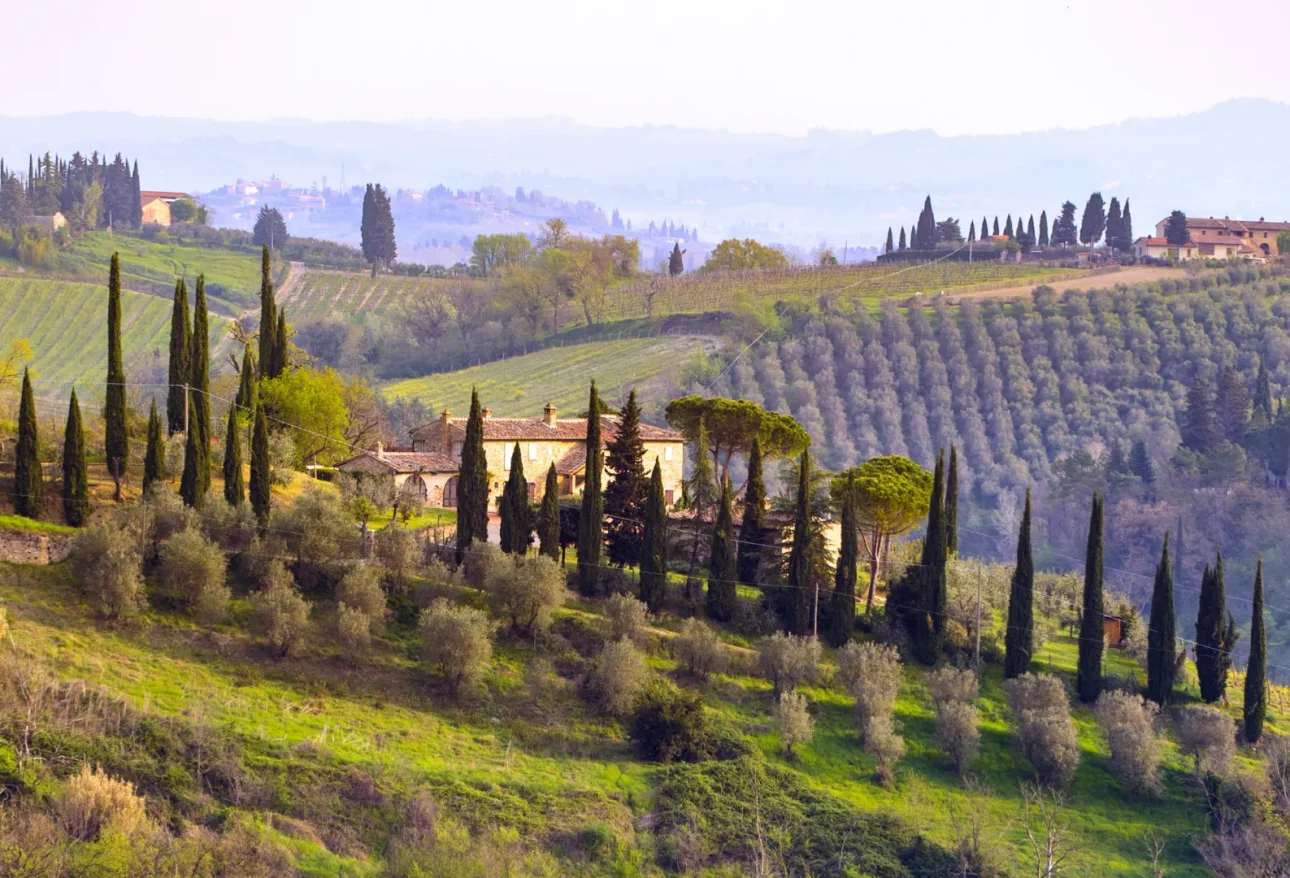
Plan Your Perfect Italian Experience Italy offers breathtaking landscapes, rich history, and diverse experiences across its 20 regions. Whether you’re drawn by the allure of sun-soaked beaches on the Amalfi Coast, dream of hiking the Dolomites, or crave truffle hunting in Piedmont, choosing the best time to visit Italy can dramatically shape your trip. With temperatures, crowd levels, and costs varying between cities and regions, it’s crucial to match your travel window to your interests. In our guide, we’ll break down Italy’s seasons region by region, provide data on weather and prices, and reveal top travel hacks for 2025. Let’s discover your ideal travel dates—whether you seek coastal bliss, stunning treks, or exclusive wine tastings! Discover your custom trip with our travel designer! When to Visit Northern Italy: Alps, Lakes & Culture Climate Overview & Seasonal Crowds Northern Italy (Lombardy, Veneto, Piedmont, Liguria, Aosta Valley, Trentino-Alto Adige) experiences four distinct seasons. Winters are cold (average lows: -2°C in Milan, 0°C in Venice), while summers are warm and often humid (highs: 28–33°C). Best Months: Late April–June & September Fewer crowds around Lake Como and the Alps Mild temperatures ideal for hiking and city breaks Avoid: July–August if you dislike heat and large tourist crowds Lake Destinations (Como, Garda, Maggiore) Peak: July, August (highest rates: €200+/night mid-range hotel) Best Value: May, late September (rates drop to €110–120/night) Alpine Activities & Trekking Summer (late June–September) for hiking December–March for skiing (Dolomiti Superski: day pass ~€62) Travel Tips & Hacks Visit major northern cities (Milan, Turin) on weekdays for less crowd. Utilize Trenitalia/SNCF fast trains to beat local traffic. According to the Trentino tourism board, off-peak months offer discounts up to 20% on accommodations. When to Visit Central Italy: Tuscany, Umbria & Lazio Tuscany for Wine, Hill Towns & Culture Central Italy blends rolling hills, art cities, and the Tyrrhenian coast. Best Months: May–June & September–early October (wine harvest: late September) Avoid: August (high heat, many locals on vacation) Costs & Experiences Florence hotel (3 stars, central): Peak (June, September): €170–210/night Shoulder (April, October): €110–140/night Wine tours (Castellina, Montepulciano): from €50 + reservation Rome & Lazio: Eternal City at Its Best Best Weather: April–June & mid-September–October (highs: 21–26°C) Lowest Crowds: Mid-January–March (Vatican Museums ticket: €17) Hiking in Umbria Best Time: April–June, September (wildflowers in Sibillini, Norcia truffle season in autumn) Travel Hacks Book museums in Florence and Rome 2+ weeks in advance According to our experience, Sundays offer free entry to state museums each first Sunday of the month When to Visit Southern Italy: Amalfi Coast, Puglia & Sicily Beach Holidays: Sea & Sun Southern Italy boasts Mediterranean climate—hot, dry summers, mild winters. Best Months for Beaches: Late May–early July, September Avoid: August (overcrowding, Amalfi average hotel €300/night) Amalfi Coast Best Value: May, early October (caprese salad by the sea, €12–15) Top Festivals: Ravello Festival (July–September) Puglia & Calabria Underrated Spots: Salento, Tropea—lower prices in June & September (lodging from €80/night) Sicily Beaches: Mid-June–September (Taormina, San Vito lo Capo) Cultural Events: Ortigia Festival (July) Wine Tours: September–October (Etna harvest) Travel Tips Ferragosto (Aug 15) is very busy—book well in advance According to ENIT, Puglia saw a 20% rise in US visitors in 2024, especially in spring Regional Table: Weather, Crowds & Prices by Month (2025) Region Jan Apr Jul Sep Dec Venice L SM H SM L Milan L SM H SM L Florence L SM H H L Rome L M H H L Amalfi L M PH M L Sicily L M PH M L L=Low tourism; M=Moderate; H=High; PH=Peak Holiday; SM=Shoulder Month Special Interests: Wine, Trekking & Local Events Best Time for Wine Tasting in Italy Piedmont (Barolo, Barbaresco): September–October (harvest tours) Tuscany (Chianti, Montalcino): Late September–mid-October Sicily (Etna, Marsala): September–October Best Time for Trekking & Outdoor Adventure Dolomites: June–September (Alta Via, via ferrata) Cinque Terre: April–June, September–October (coastal trails) Abruzzo/Majella: Spring & autumn for bear-watching Local Festivals to Consider Venice Carnival: February (mask balls, parades) Siena Palio: July 2 & August 16 Alba White Truffle Fair: October–November Planning Hacks Use Trenitalia’s “Super Economy” fares (book 90+ days out) Book vineyard tours 3–4 months ahead (spring/autumn) According to the Italian Ministry of Culture, local events may impact availability/prices—verify dates! Plan your trip with us! FAQ – Italy’s Best Time to Visit: Quick Answers When is the best time to visit Italy for fewer crowds? The answer is: April to mid-June and mid-September to October are ideal for fewer crowds in most regions. What is the cheapest month to travel to Italy? The answer is: January and February offer the lowest flight and hotel rates throughout Italy (excluding ski areas). When does Italy have the best weather? The answer is: May, June, and September offer the most pleasant weather, with comfortable temperatures and little rain. Which region is best for a beach holiday? The answer is: The Amalfi Coast and Sicily are top choices. Aim for late May–early July or September to avoid high prices. Can I visit vineyards all year round? The answer is: Most vineyards offer tastings year-round, but September–October is the harvest season for the best experience. Plan Your Italian Journey Smartly! Choosing the best time to visit Italy means balancing your budget, interests, and the diverse regional climates. From spring romance in Tuscany to autumn feasts in Piedmont, each month unlocks new experiences. Planning in advance—checking local festivals, booking early, and leveraging our tools—makes a world of difference. According to official 2025 tourism data, off-peak planning can save travelers 20–30% on major expenses. Ready to plan your custom Italian adventure? Connect with a travel expert today!

Amalfi coast

Classic 2-Week Italy Itinerary with Amalfi Coast: An Elegant Journey

Your Quintessential Italian Adventure Awaits Imagine yourself awakening to the gentle light caressing Florence’s rooftops, or basking in the Amalfi sun while a scented breeze carries the aroma of lemon blossom. Italy reveals itself slowly, delicately—a symphony of Renaissance beauty, culinary marvels, and intimate encounters. This curated classic 2-week Italy itinerary with Amalfi coast is designed for discerning travelers who seek authentic experiences, refined touches, and the luxury of slow discovery. Following the requests of our guests from North America, Australia, and beyond, this journey stitches together Rome, Florence, Venice, and the Amalfi Coast, blending essential sites with exclusive secrets and less-traveled paths. Let us be your passioned guides as you drift from Michelangelo’s marble to Positano’s cliffside charms. In the coming pages, you’ll find not only what to see, but—more crucially—how to experience the genuine soul of Italia.Think about your trip with us now. Ultimate Two-Week Italy Itinerary Overview According to the Italian National Tourist Board (Ente Nazionale Turismo), combining classic art cities and the Amalfi Coast is the most sought-after itinerary for sophisticated travelers in 2025. Rome: Ancient Splendour & Vibrant Life Iconic Sights with a Local Touch Begin in the Eternal City, where every stone tells a story. Marvel at the Colosseum, Roman Forum, and Pantheon on a private guide-led early morning tour (skip-the-line recommended). Wander Trastevere’s cobbled alleys just as Roman families start their day. Bespoke Experiences in Rome According to our local partners, hidden rooftop gardens near Via del Corso provide stunning backdrops for sunset aperitivo—ask your concierge for reservations. Gastronomy Highlights Florence & Tuscany: Renaissance, Countryside, Virtuosity The Art of Slowing Down in Florence Florence’s magic lies in its layers: admire Botticelli’s Venus at the Uffizi, then retreat to the Oltrarno, where master artisans still craft leather-bound journals by hand. Unmissable Florence Highlights Tuscan Heart: Hilltown Day-Trips Using Florence or a quaint Chianti relais as your base, dedicate a day to the undulating hills: Florence’s best trattorie often require reservations 2-3 weeks in advance, especially for intimate tables by candlelight. Venice: Serenissima’s Secrets Beyond the Grand Canal Arriving by train, let Venice surprise you with pockets of silence and unexpected beauty far from the crowds. Essential Experiences According to our experience, a late-night stroll in the quieter Dorsoduro sestiere often rewards you with paintings of fog and light worthy of Turner. Amalfi Coast: Mediterranean Dreamscape Navigating the Coast with Elegance The coastline dazzles with cliff villages, turquoise waters, and lemon groves. Use Sorrento or Amalfi as your home base; private transfers or ferries are preferable to self-driving due to restricted traffic and unique local routes (see regulations from Ente del Turismo Campano for 2025 changes). Must-See Villages Authentic Amalfi Coast Experiences Contact us for tailored Amalfi Coast tours. Naples: Where Tradition Comes Alive Gateway to Flavours and Legends Naples is the soul of Southern Italy—intense, passionate, unexpected. Reserve time for the historic center, its art-laden churches, and, of course, authentic Neapolitan pizza. Essential Naples Excursions: Pompeii & Capri Getting Around: Seamless Travel in Italy Italian high-speed trains (Trenitalia, ItaloTreno) connect all main cities comfortably and efficiently. For the Amalfi Coast, private drivers or scheduled ferries (Naples-Sorrento-Amalfi) are recommended. Car rentals in Tuscany offer freedom among vineyards, though ztl (limited traffic zones) in major towns require careful planning—always check signage and consult local regulations (Comune di Firenze, 2025 updates). Lesser-Known Transportation Options Practical Tips for a Refined Italian Experience FAQ: Classic 2-Week Italy Itinerary with Amalfi Coast How many days do you need for the Amalfi Coast in a 2-week Italy itinerary?La risposta è: Plan at least 4 nights on the Amalfi Coast to enjoy several villages, boat excursions, and relaxation away from day-tripper crowds. What is the best way to travel between Rome, Florence, Venice, and Amalfi Coast?High-speed trains for city-to-city travel; private cars or ferries for the Amalfi Coast. Avoid self-driving on the coast due to restricted access and narrow roads. What is a unique experience recommended on the Amalfi Coast?A private boat tour along the coastline, with a stop for lunch at a family-run trattoria accessible only by sea, offers unmatched vistas and authentic flavors. Is it worth spending time in the Tuscan countryside?Yes, a day or two in the Tuscan countryside, particularly Chianti, allows you to experience local wines, hilltop towns, and tranquil vistas unavailable in the cities. When is the best time to visit Italy for this itinerary?Late spring (May–June) or early autumn (September–October) for mild weather, fewer crowds, and lively local festivals. Begin Your Italian Tale Two weeks in Italy allows you to blend icons and secrets, living at a tempo that matches your curiosity and your longing for beauty. According to our experience, the itinerary above brings you as close as possible to the Italian art of living—savoring, discovering, and connecting deeply with people and places. Ready to craft your bespoke Italian escapade? Contact us at ItalyGate for tailored itineraries, special experiences, and seamless arrangements—because your journey should be as unique as you are.

Lost your password?